
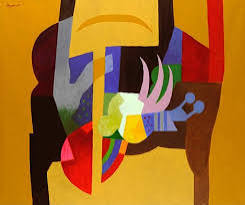
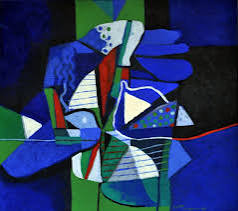
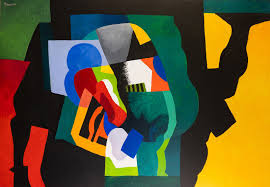
Dia Al-Azzawi Dia is a renowned Iraqi painter and sculptor.
Today he reigns as a powerhouse Arab painter.
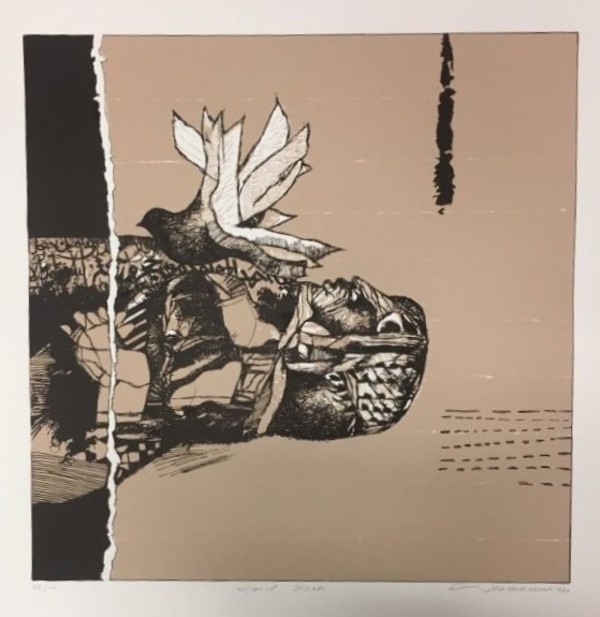
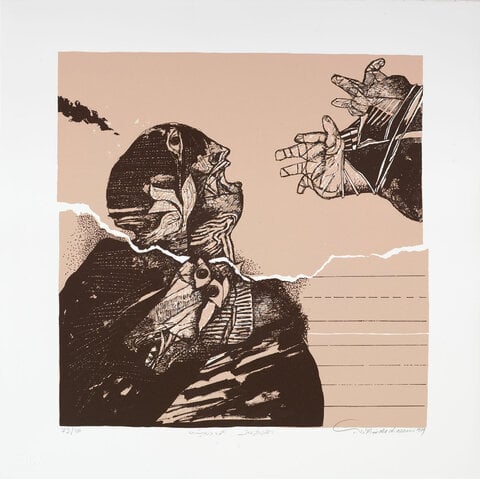
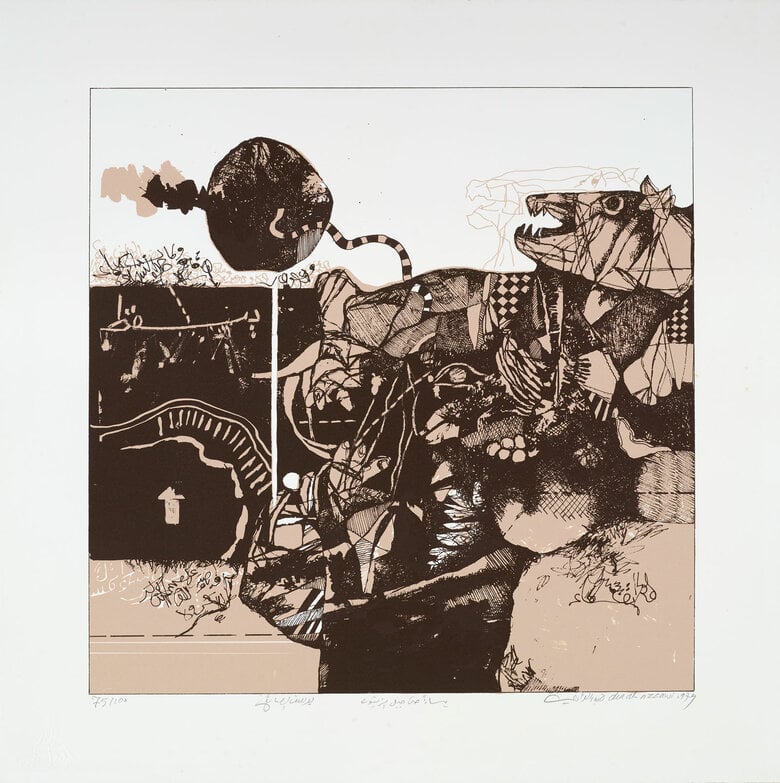
He is known for blending elements of Western art (Cubism) with Arab art (Calligraphy), resulting in spectacular colourful paintings.
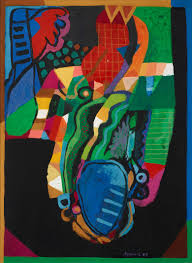
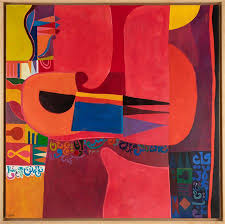
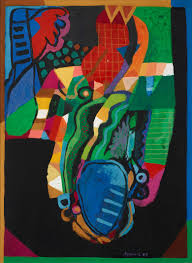

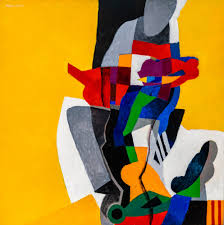
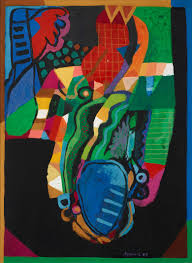
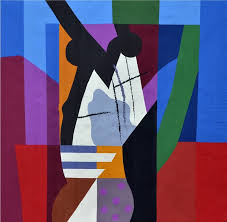
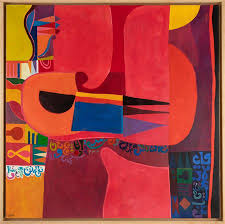
His educational background is quite diverse; he studied archaeology at the College of Arts in Baghdad and later pursued fine arts at the Institute of Fine Arts. This combination- archaeology and art – deeply influenced his work, drawing inspiration from ancient myths and cultural heritage.
Between 1966 and 1973, Azzawi served as a reservist in the Iraq army.
The experience shaped his concern with the victims of war and oppression, his art a reflection – powerful, stark and foreboding.
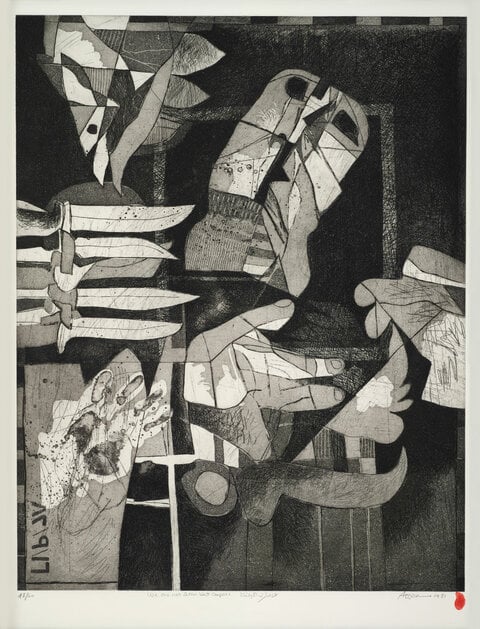
When the dictator Sadam Hussein took control of Syria, he fled to London, where he has been living and working since 1976.
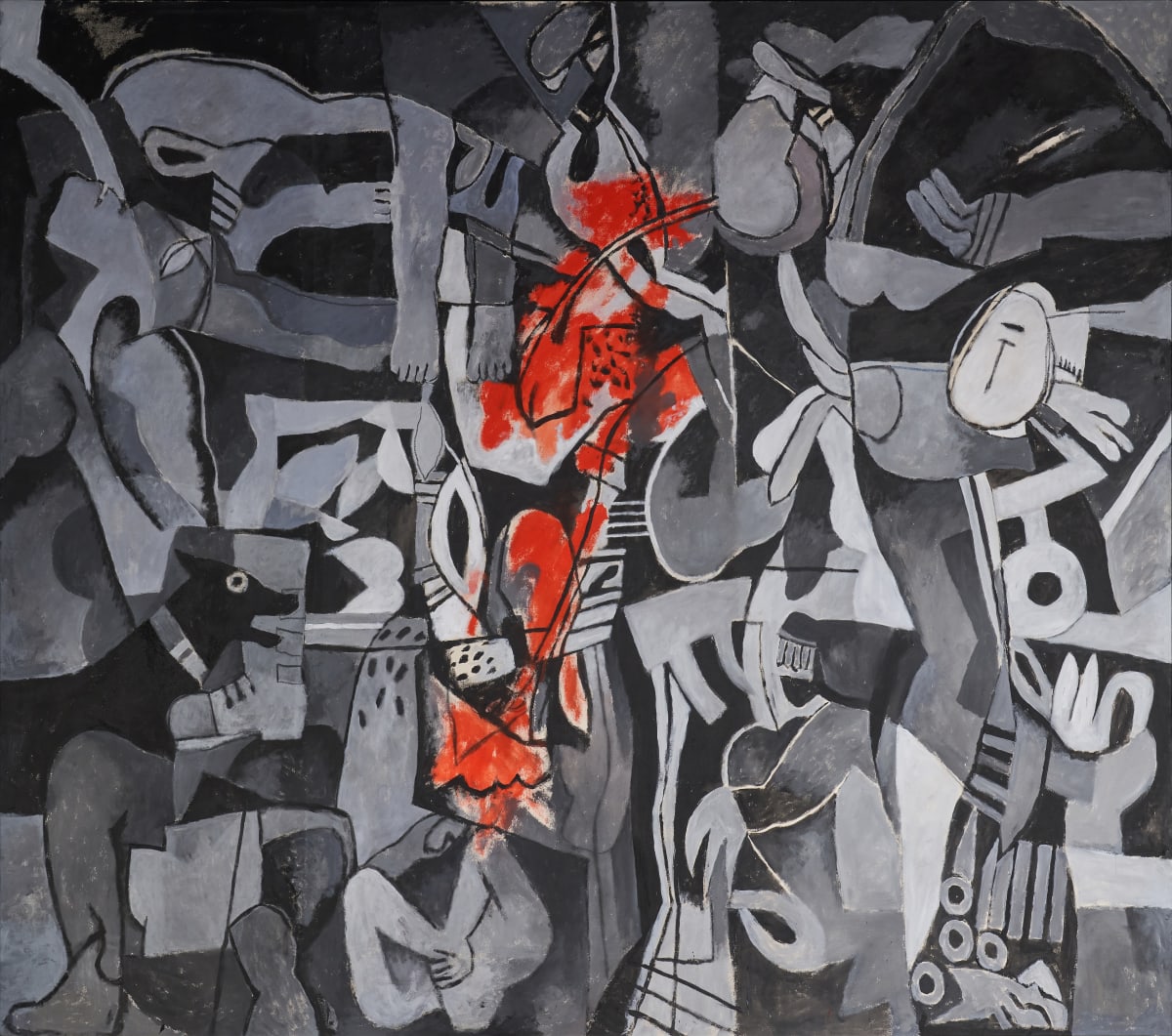
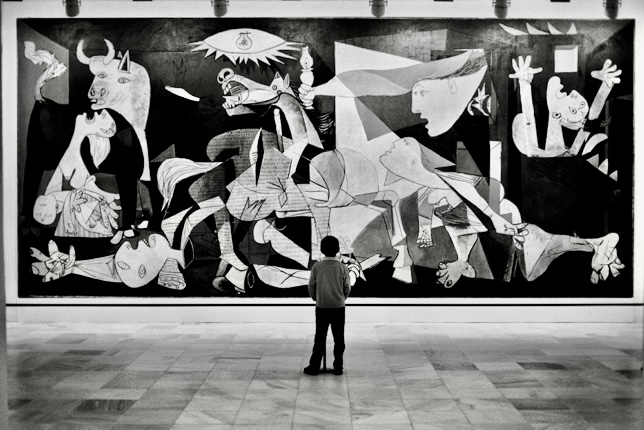
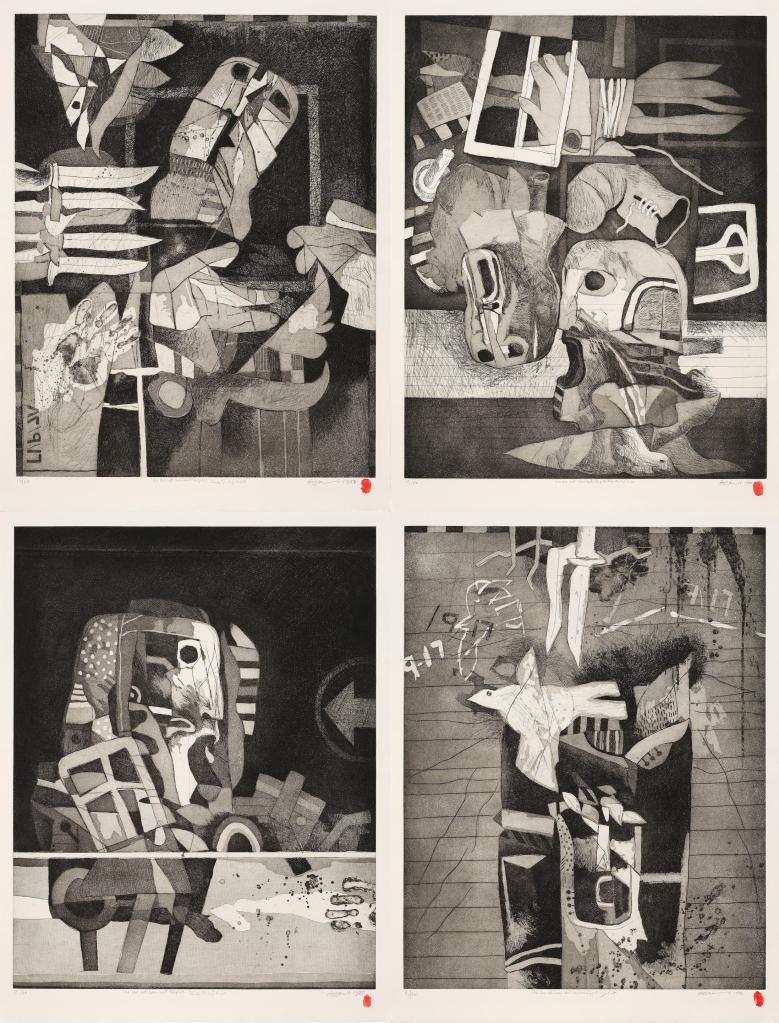
Between 1982 and 1983, Azzawi completed one of his most acclaimed masterpieces: the monumental yet sobering ink-and-crayon drawing – Sabra and Shatila Massacare, also known as the “the Guernica of the Arabs”, a reference to the famous Picasso painting “Guernica”, dealing with the horrors of the Spanish civil war.
Azziwa’s painting ( below) was a response to the killing of hundreds of Palestinians and Lebanese Shiites by Lebanese Christian militia groups in areas under the control of the Israeli military. The Tate Modern Gallery in London England acquired it for its collection .
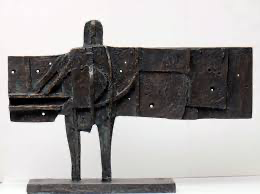
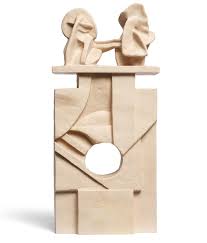
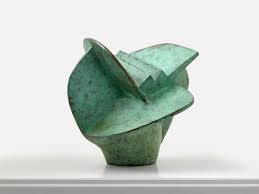
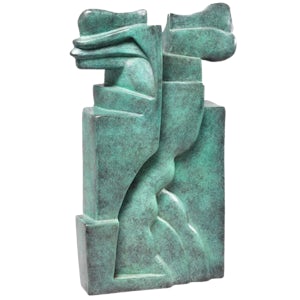
His sculptures are deeply influenced by the rich cultural heritage of Mesopotamia. His works often reference ancient Sumerian, Babylonian and Assyrian art and incorporating modern artistic elements
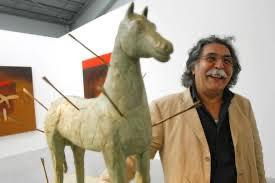
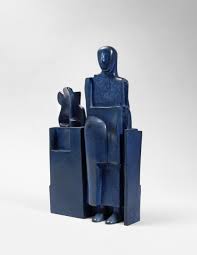
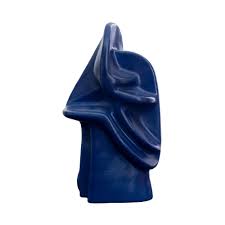
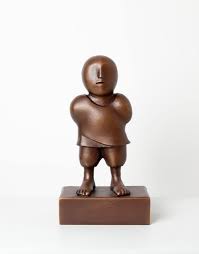
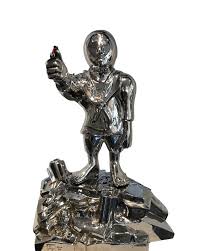
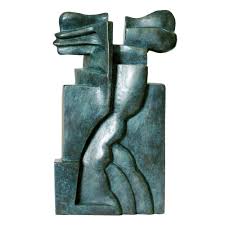
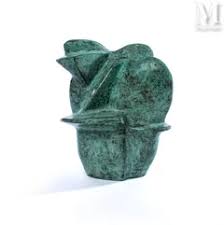
Azzawi’s work is part of numerous international art institutions and museums, including the British Museum, the Victoria and Albert Museum, both in London, the Guggenheim in Abu Dhabi, the Institut du Monde Arabe in Paris, the Los Angeles County Museum of Art and the Mathaf in Doha, Qatar.
Nima Sagharchi, Bonhams’ Director of Middle Eastern, Islamic and South Asian Art, summed up Azzawi’s career as follows:
“Dia Azzawi is the living bridge between early Iraqi Modernism and Contemporary Middle Eastern art. He was at the centre of the development of Iraq’s modern artistic identity in the 1960s as a painter, and since then as a sculptor, printmaker and graphic artist he has emerged as one of the most prolific and talented multidisciplinary artists of the twentieth century and a cultural spokesman for the whole of the Middle East as a region.”
 LGF Publishing
Leave a comment