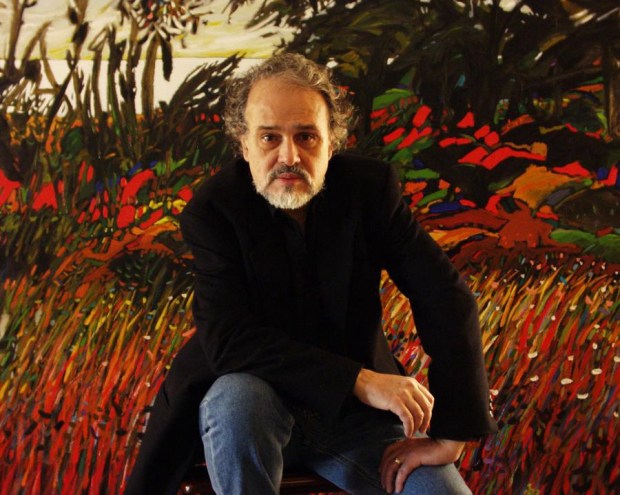
Yehouda Chaki, Greek born he moved to Montreal, Canada, in the early 1960s, becoming a prominent figure in the art community.
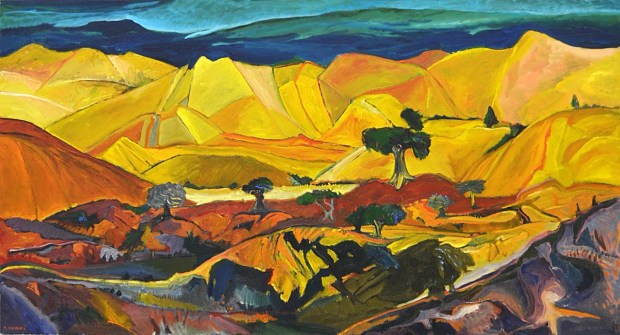
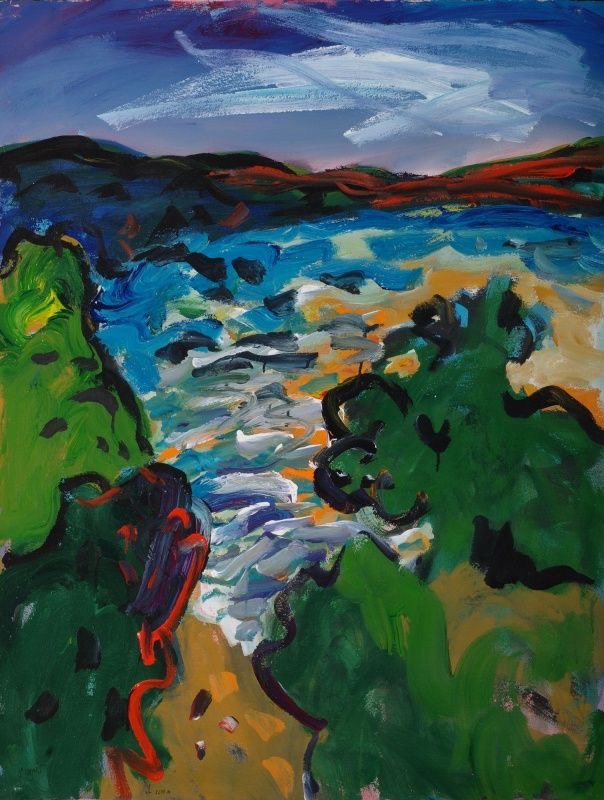
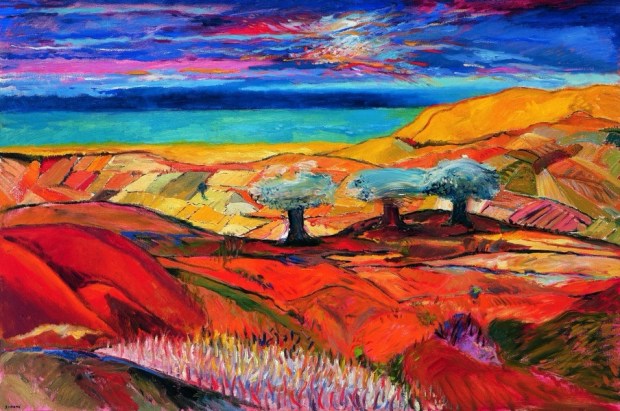
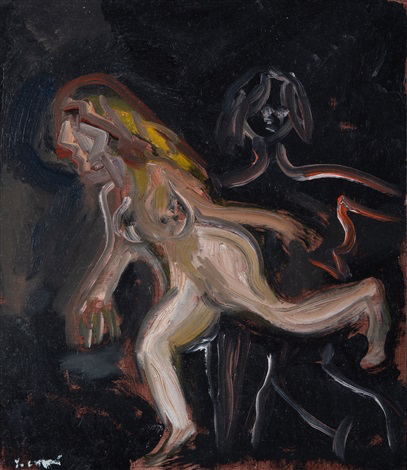
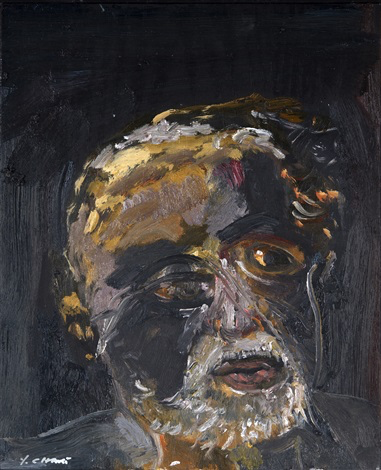
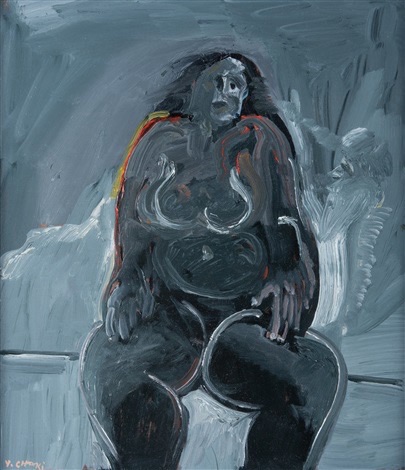
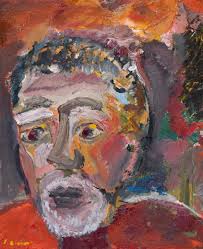
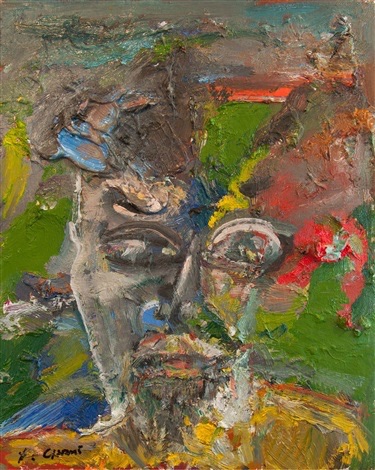
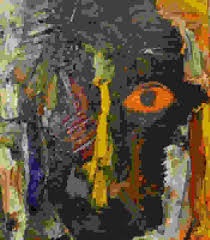
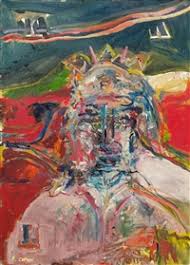
Chaki’s art is renowned for its vibrant and expressive qualities – featuring bold, dynamic colours and energetic brushstrokes, creating a sense of movement and emotion.
His use of colour, striking a vivid palette, intense reds, blues, and yellows conveying a sense of vitality and passion. His manipulation of light and shadow adding depth and dimension to his compositions. Chaki’s bold and vibrant use of colour set him apart from many of his contemporaries. His ability to convey deep emotion through his palette made his work instantly recognizable and impactful. Best known for his landscapes they are a perfect example – bold, vibrant, powerful, colours – a blend of abstraction and realism allows viewers to engage with his art on multiple levels, interpreting the forms and colours in their own way.
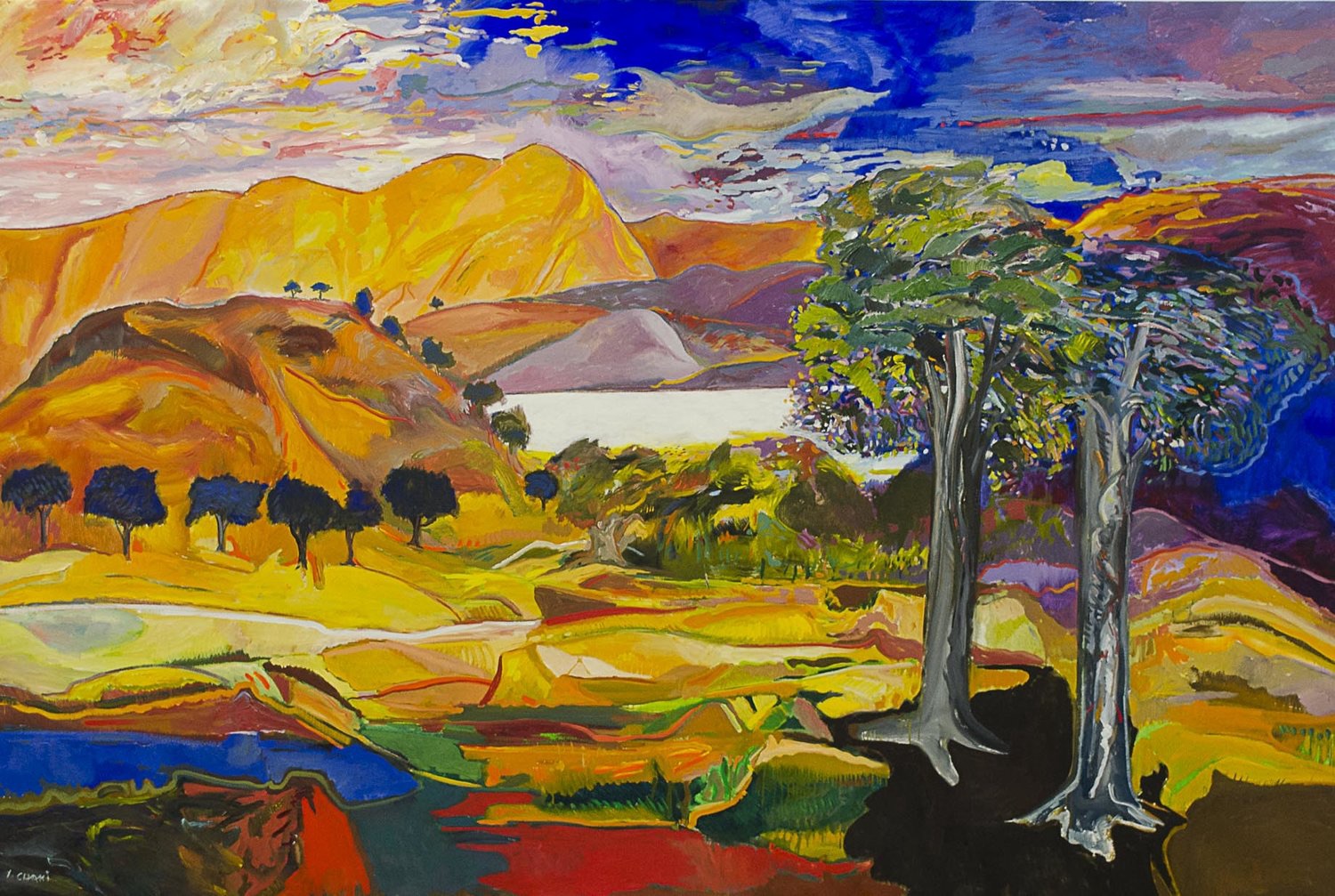

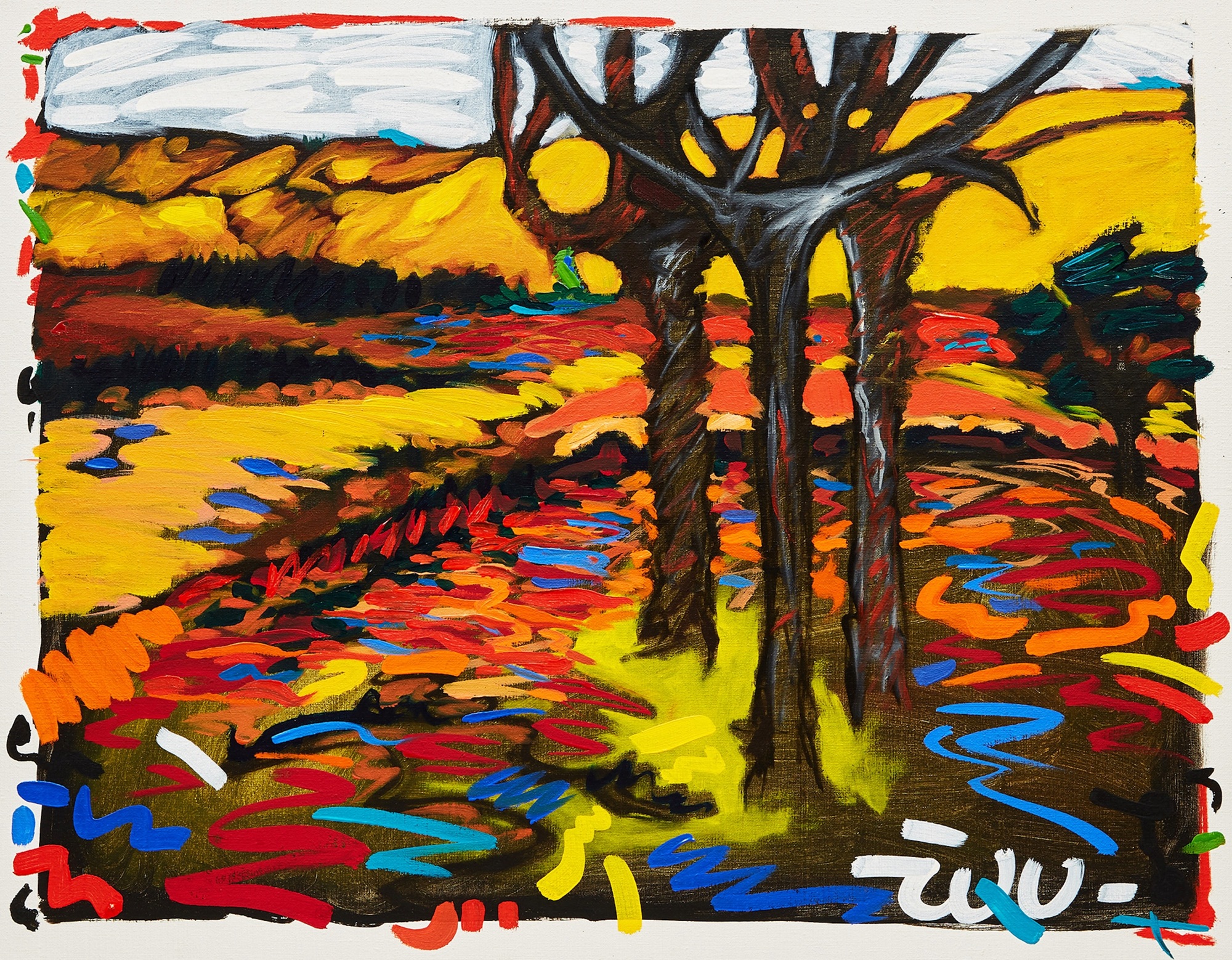
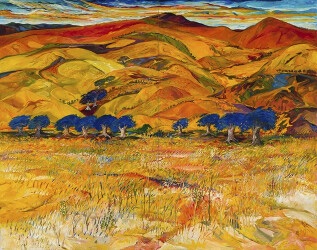
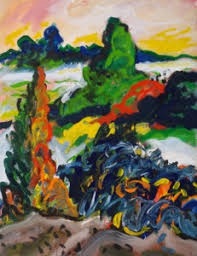
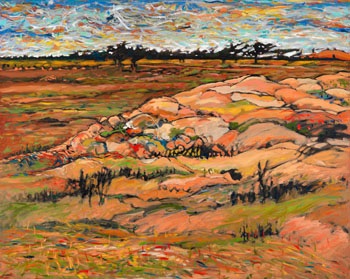
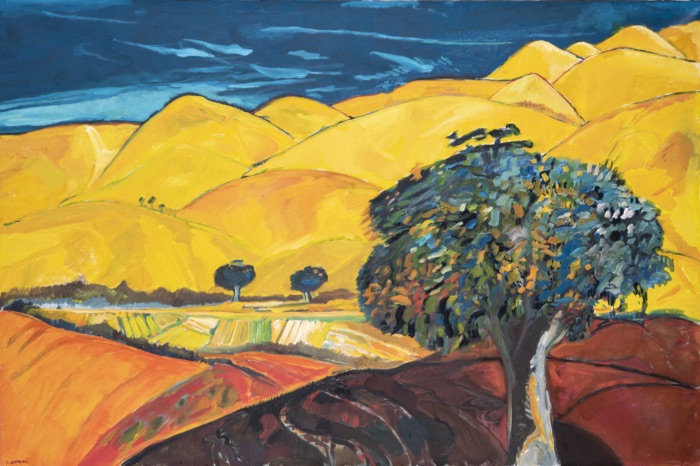
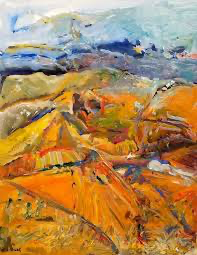
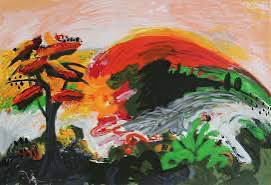
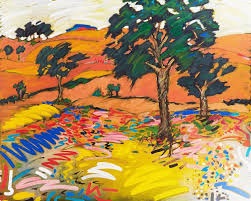
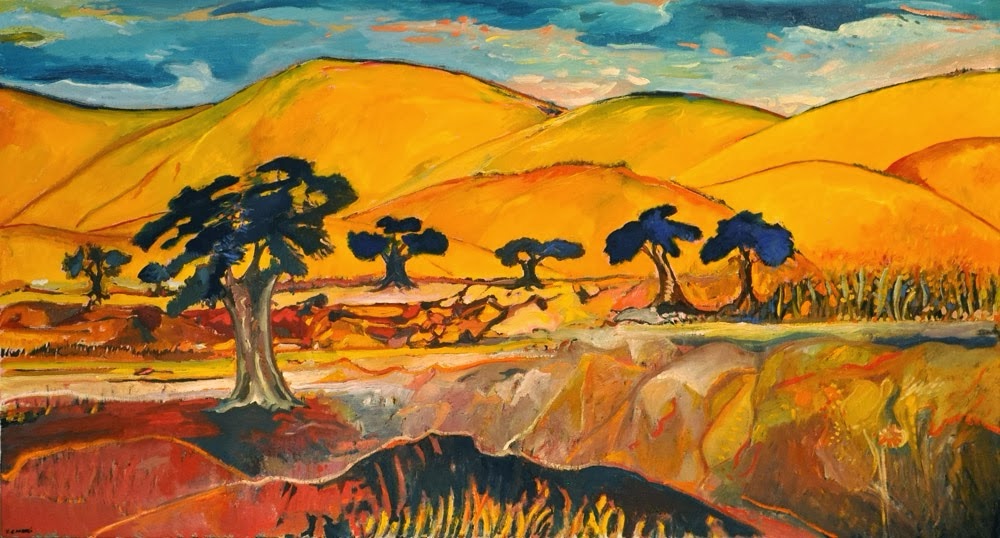
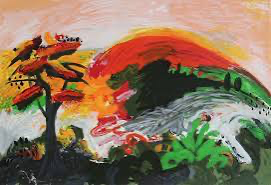
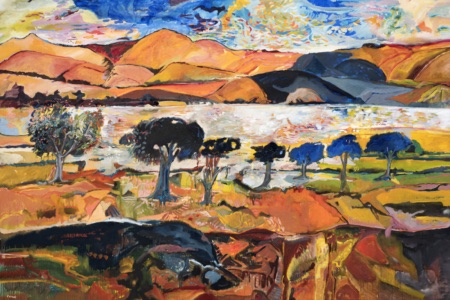
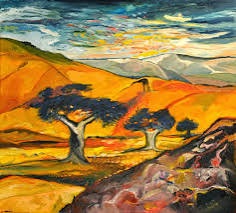
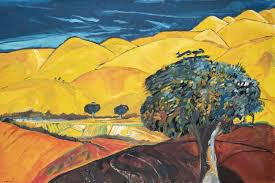
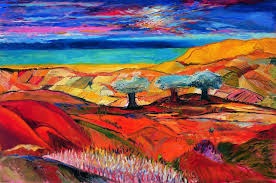
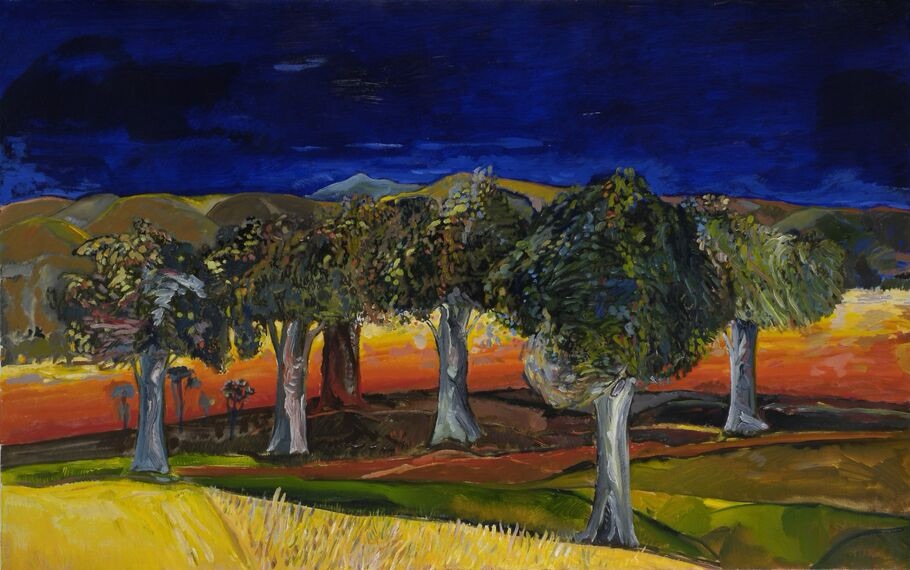
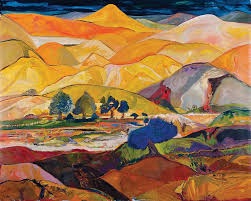
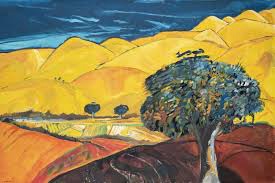
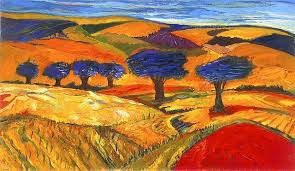
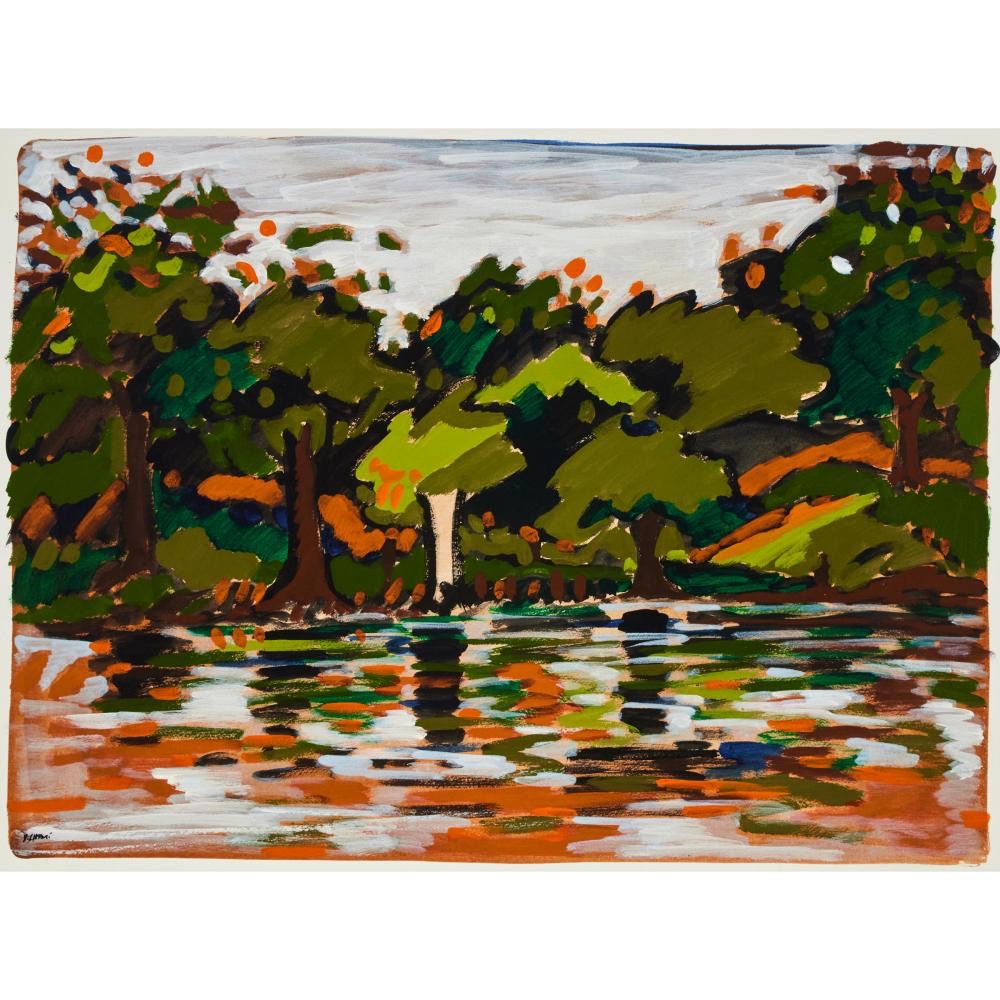
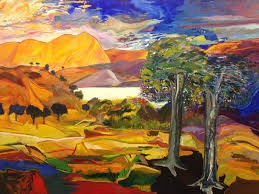
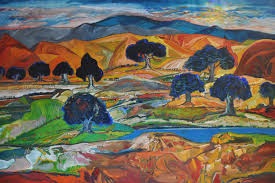
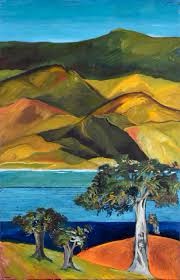
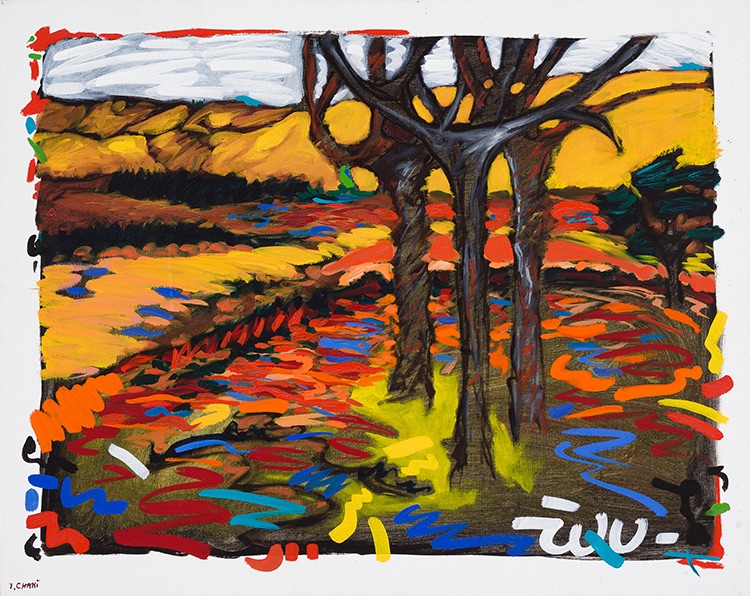
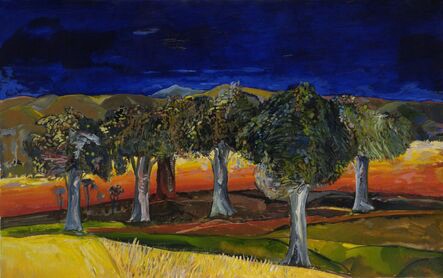
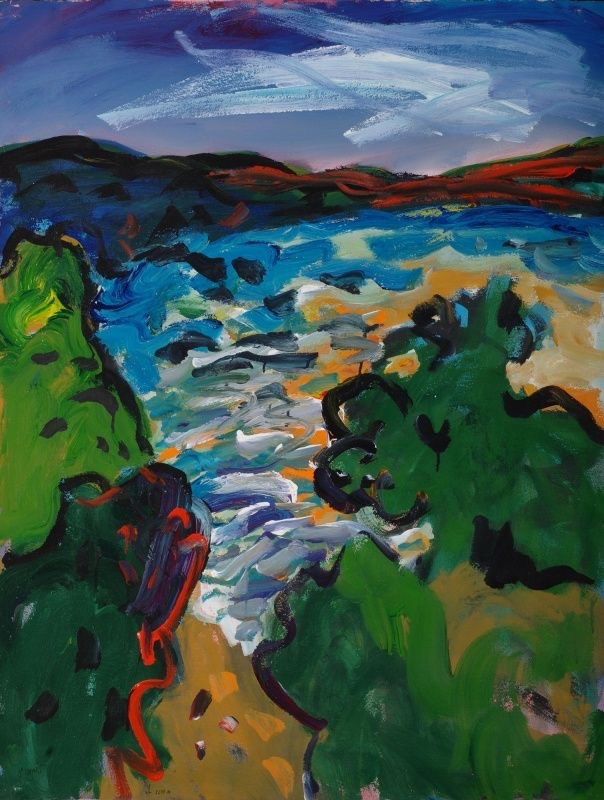
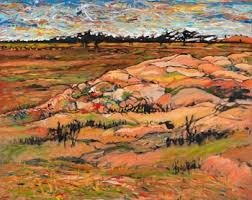
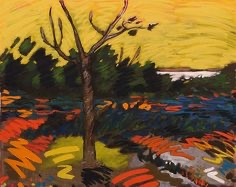
His art – certainly in his early stage of his career was deeply emotional on a personal level – often reflecting themes of joy, pain, and resilience. It spoke about his personal experiences, including the trauma of the Holocaust and the resilience of the human spirit. Born in Athens in 1938, he and his family survived by assuming Greek Orthodox identities and hiding with a Christian family in the countryside, after Germany invaded Greece and sent Jews to its extermination camps in Poland. His personal experiences imbued him with a profound sense of humanity and introspection. His early works, portraits infused with trauma and terror, provided a sense of what lay ahead for Holocaust victims.
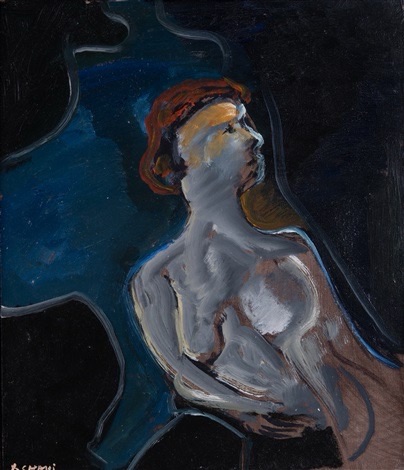
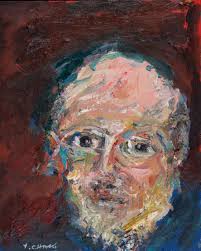
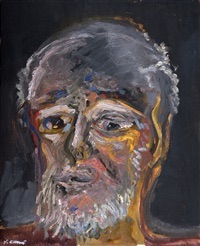
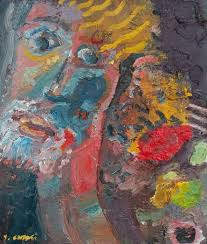
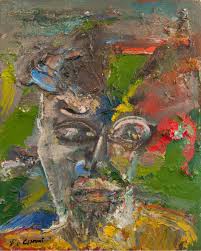
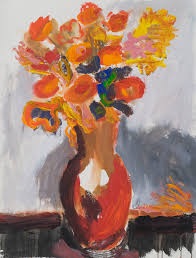
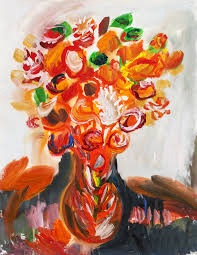
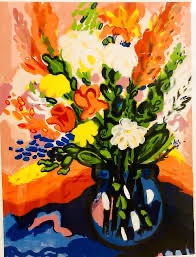
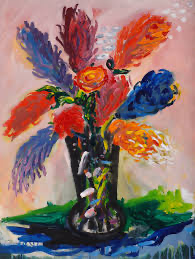
Aside from landscapes – flowers were a secondary subject. Less abstract, more realistic, the use of colour more subdued.
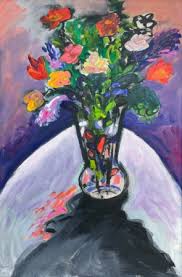
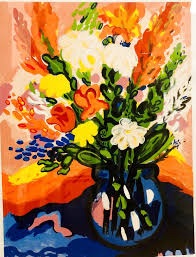
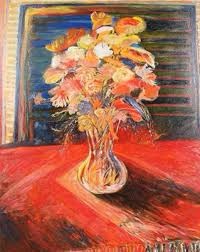
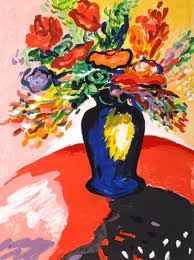
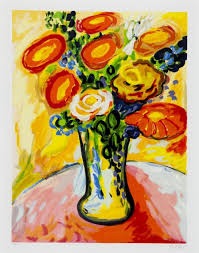
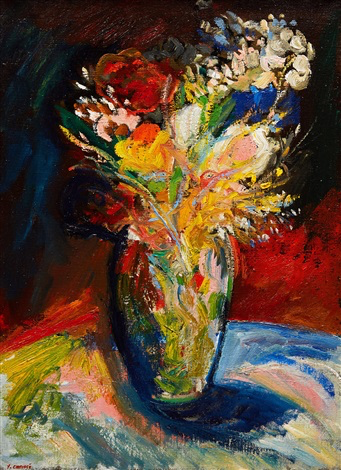
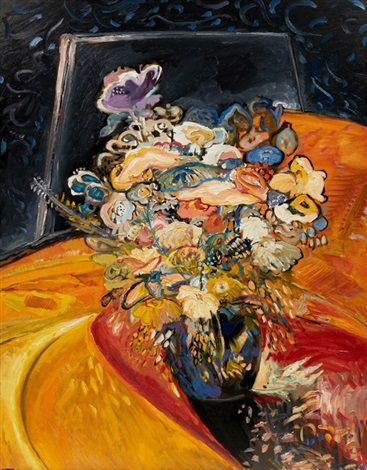
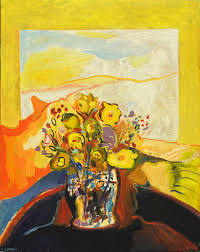
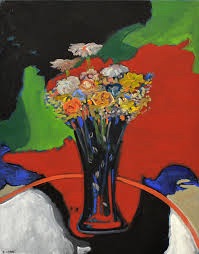
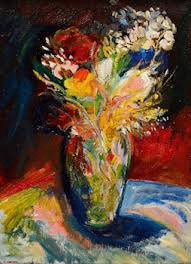
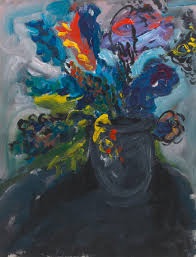
Overall, Chaki’s art is a celebration of color and emotion, inviting viewers to explore the depths of his expressive landscape.
He was a significant figure in the Canadian and international art scenes.
The emotional depth of his art resonated with many viewers, making his work both powerful and relatable.
Chaki’s influence extended beyond his own work. He was a mentor to many younger artists and played a significant role in the Montreal art community.
He had over 85 solo shows and more than 300 group exhibitions. His work is in the permanent collections of over 75 museums and corporations including the Montreal Museum of Fine Art, Musée d’art Contemporain de Montreal, Fort Lauderdale Museum in Florida, Eretz Israel Museum in Israel, Musée de Toulon in France, and the Museo de Arte Moderna in Rio de Janeiro, Brazil.
He died last year, age 84, after battling Parkinson’s disease for 17 years.
 LGF Publishing
Leave a comment